
Six months in, I cite SITU more than my own bookmarks folder. The cross-referencing of Persian and Tang sources alone saved me a sabbatical.
C
Carly
A virtual museum of the Silk Roads. A growing, shared 3D atlas of world heritage sites, from Chang’an to Cairo. Experience what others have created, and add what you make to the public atlas.
Truth in Place, History in Sight.
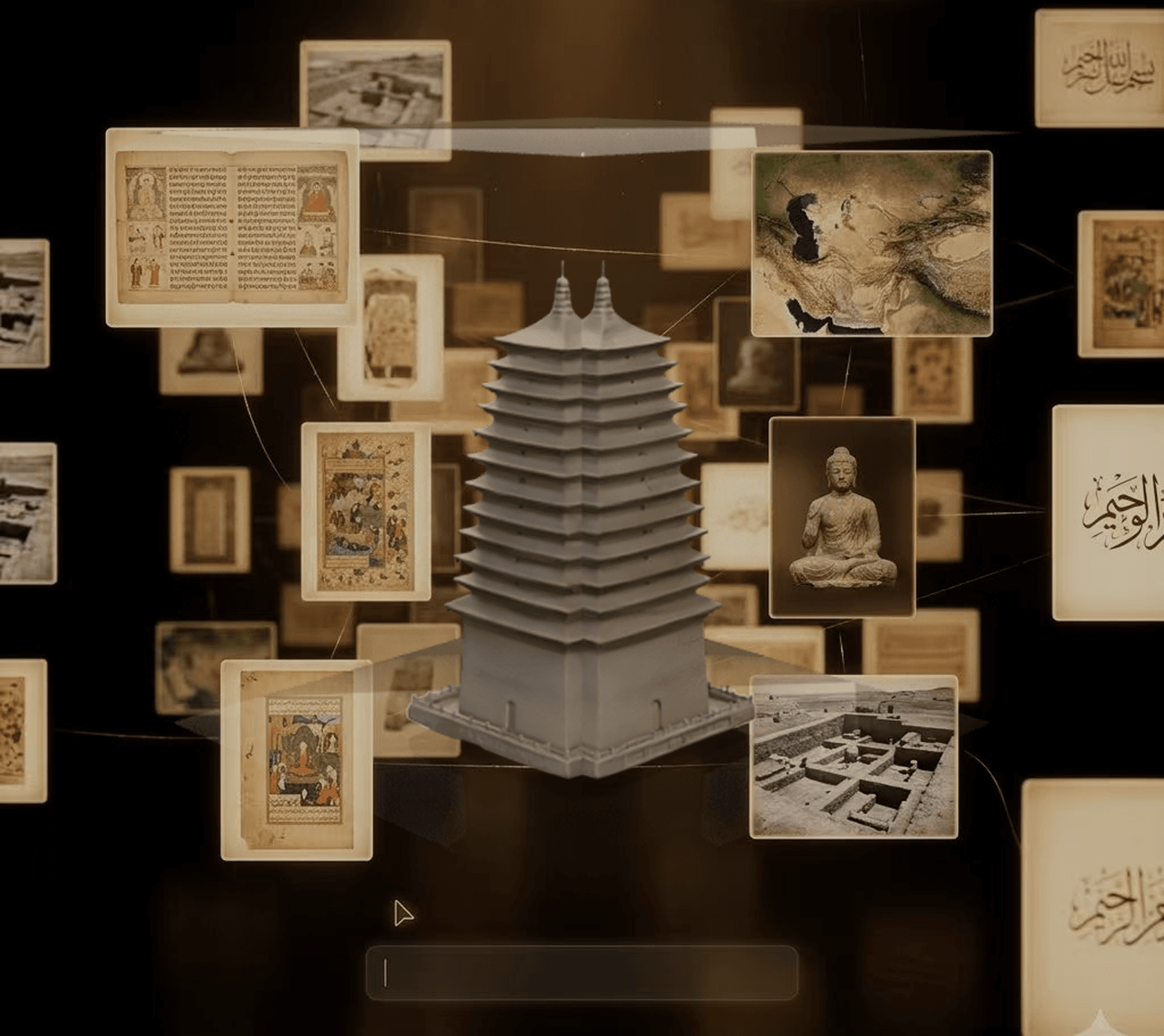
Click to ExploreSITU's AI Agent is built for heritage scholarship. It reads across papers, images, maps, and archives — transforming scattered evidence into traceable knowledge structures, visual insights and generation-ready prompts.
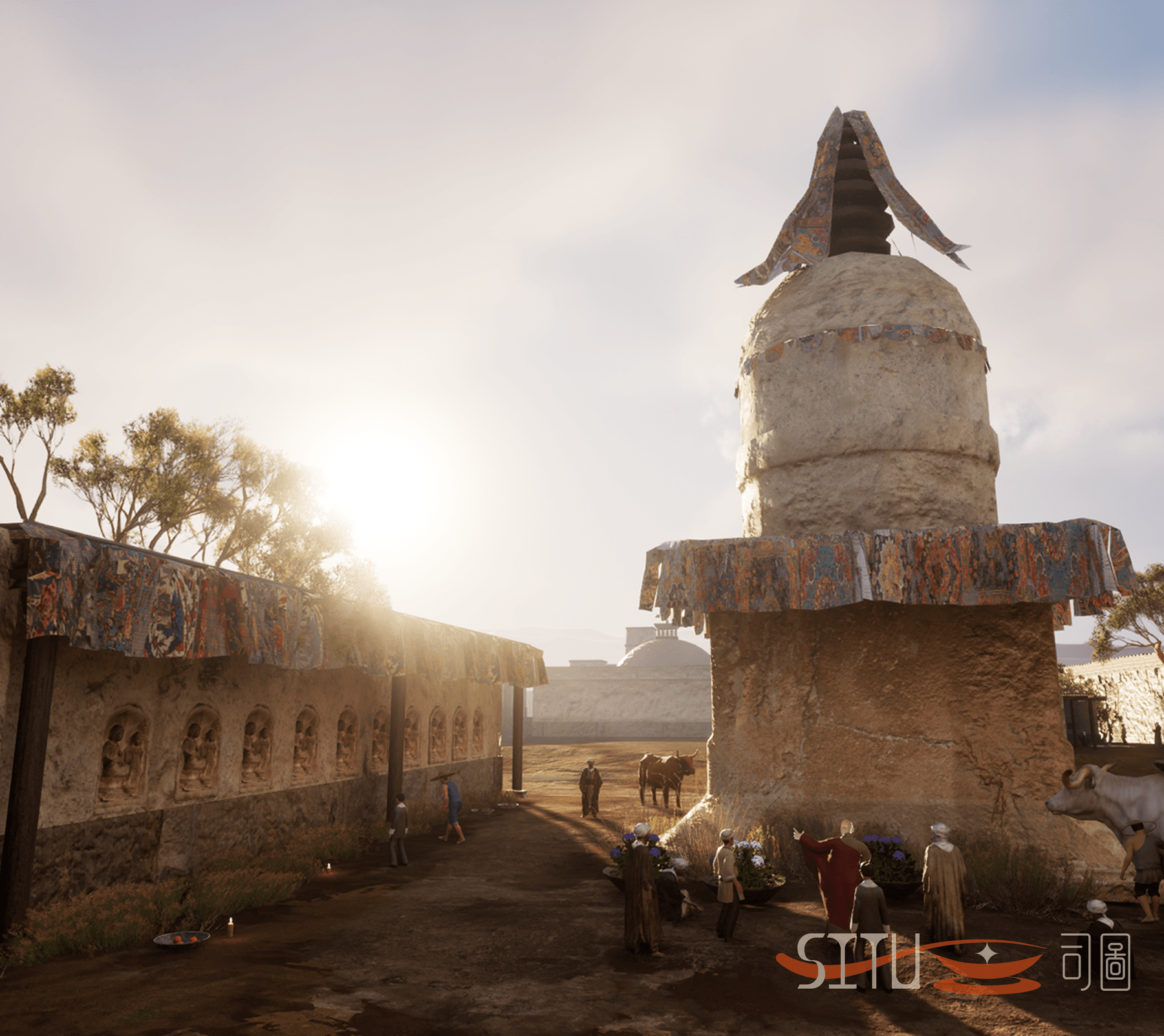
SITU transforms historical evidence into immersive 3D worlds — walkable, interactive, and connected back to its sources. Every scene is more than a visualization. It is a journey through research, space, and time.
Every upload, generation, review, and publication strengthens a shared cultural data foundation. Over time, SITU becomes more than a platform — it becomes a living infrastructure for Silk Road heritage.
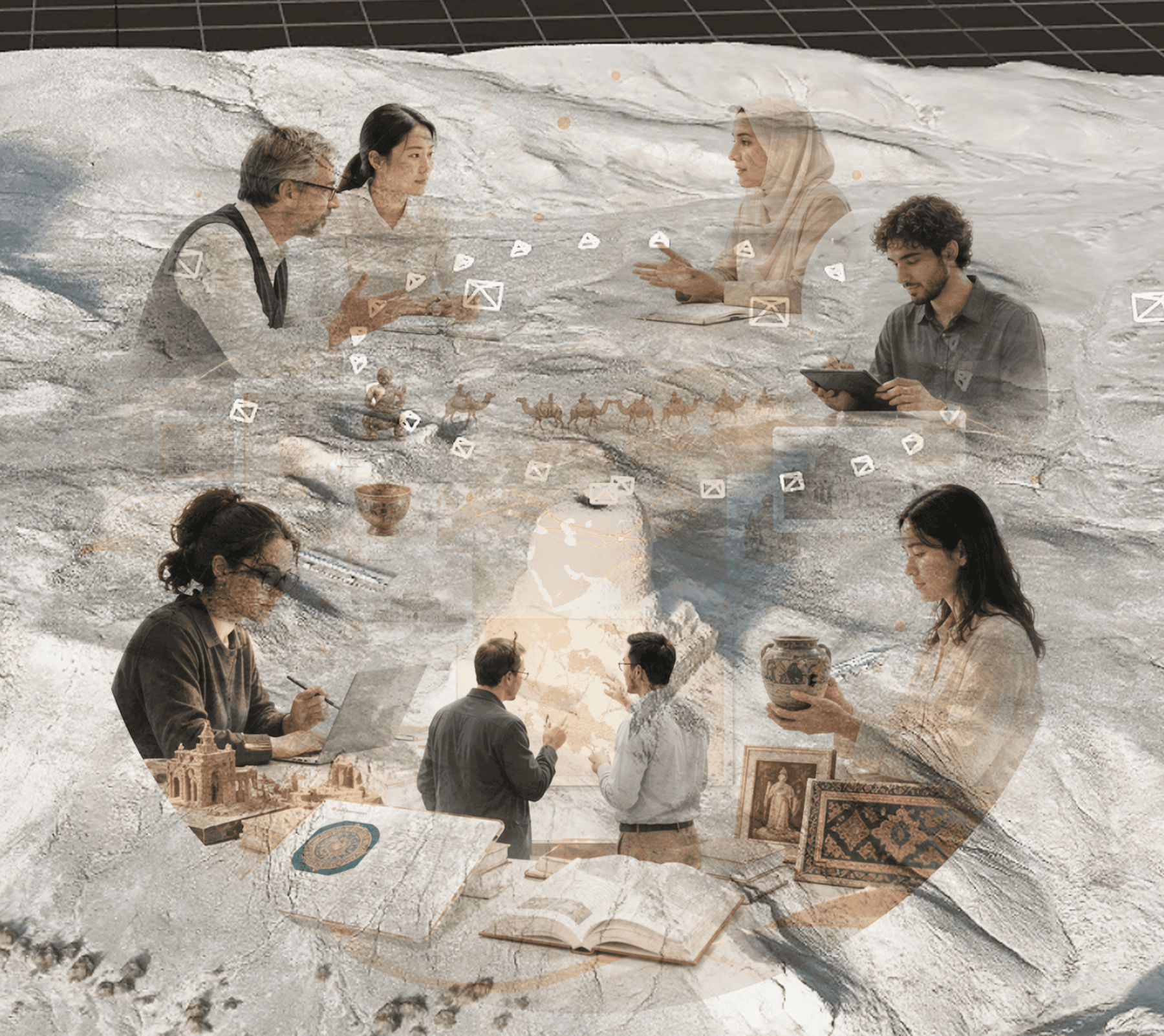
SITU is a living atlas. Cities, scholars, studies, and documents accumulate like stones on a cairn.
SITU is built with its community. These are the people who use it daily — and their words shape every release.
Interested in SITU? You’re welcome to apply for an invitation code — tell us a little about who you are and what you’d like to explore, leave your email, and we’ll send you one.
The Atlas and its real-time 3D scenes are built for a larger screen. Please open SITU on a computer for the full experience.